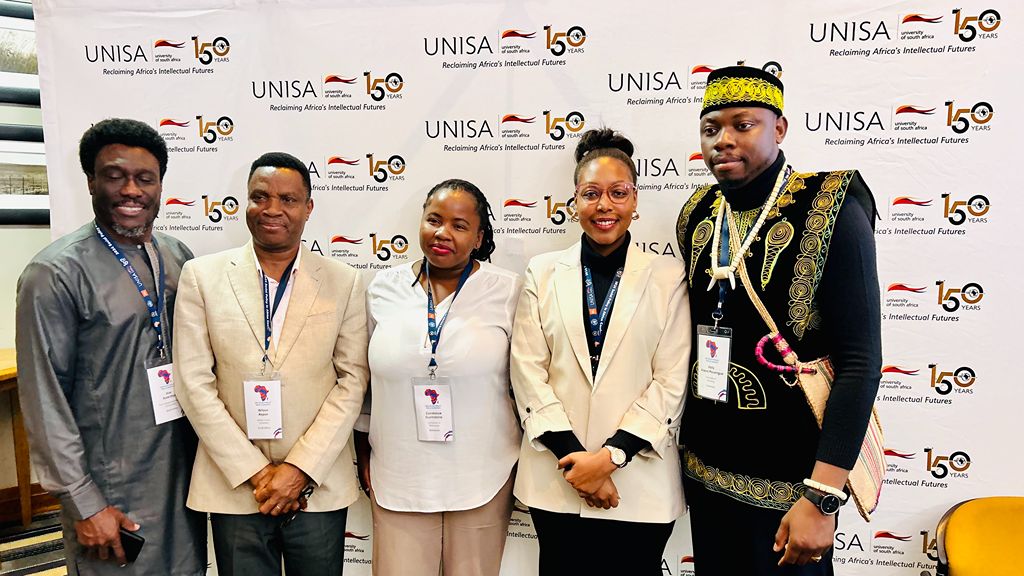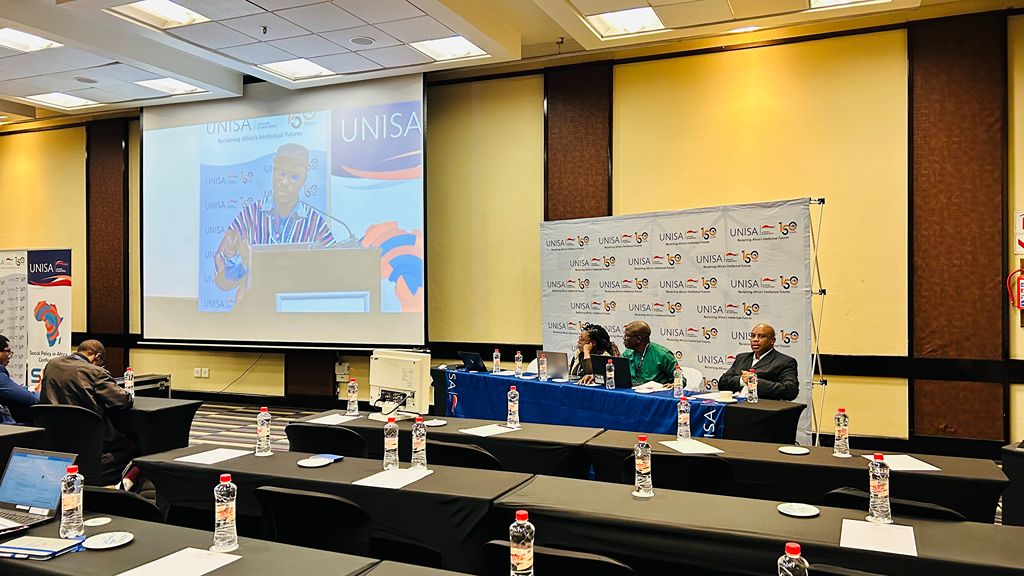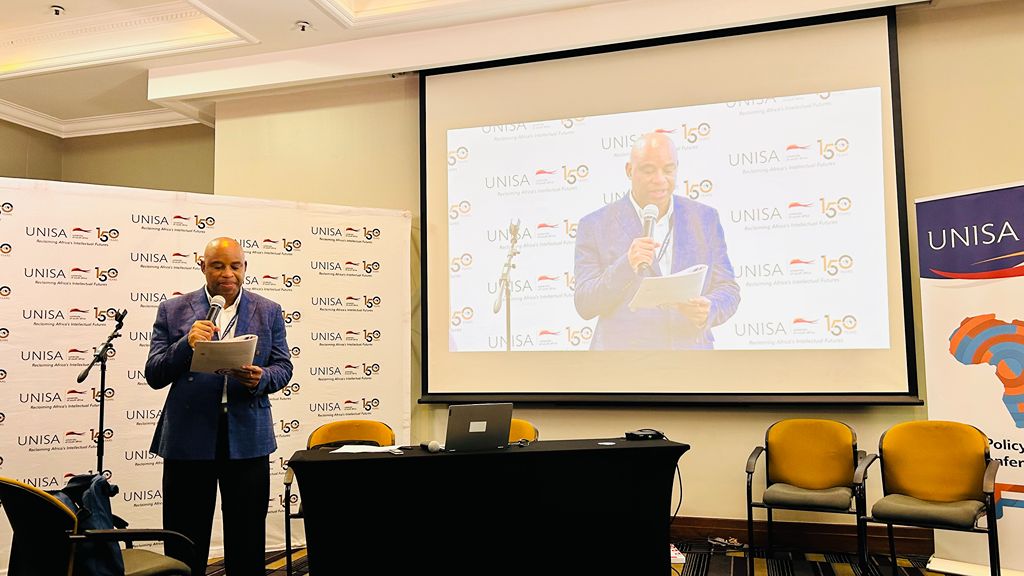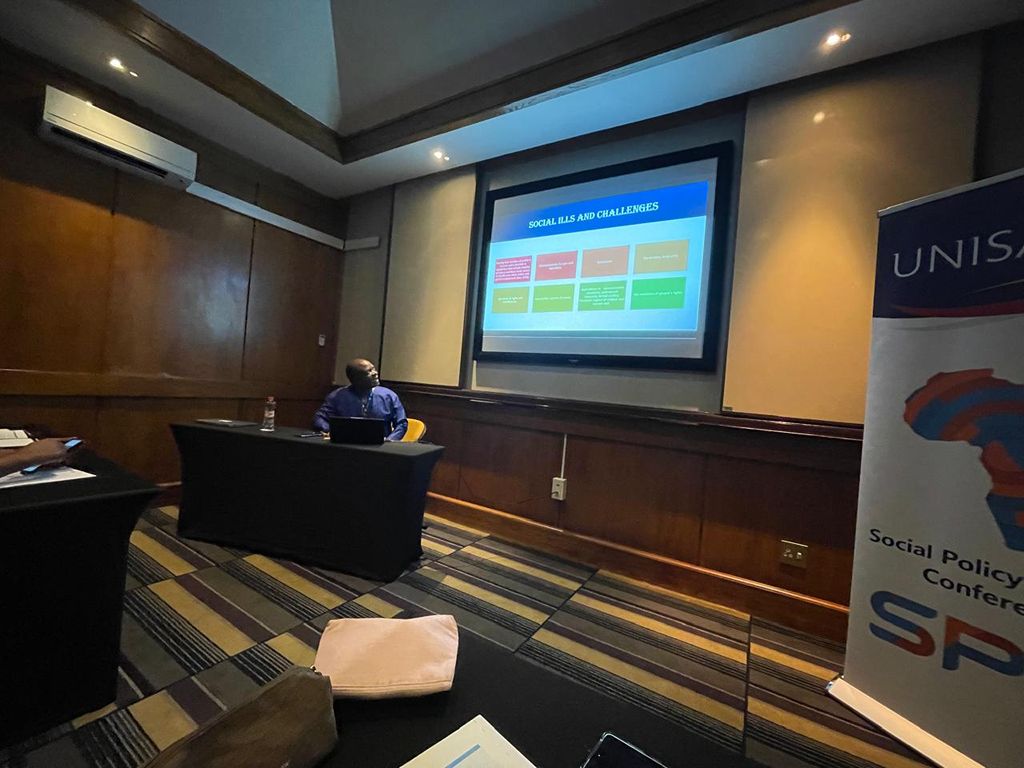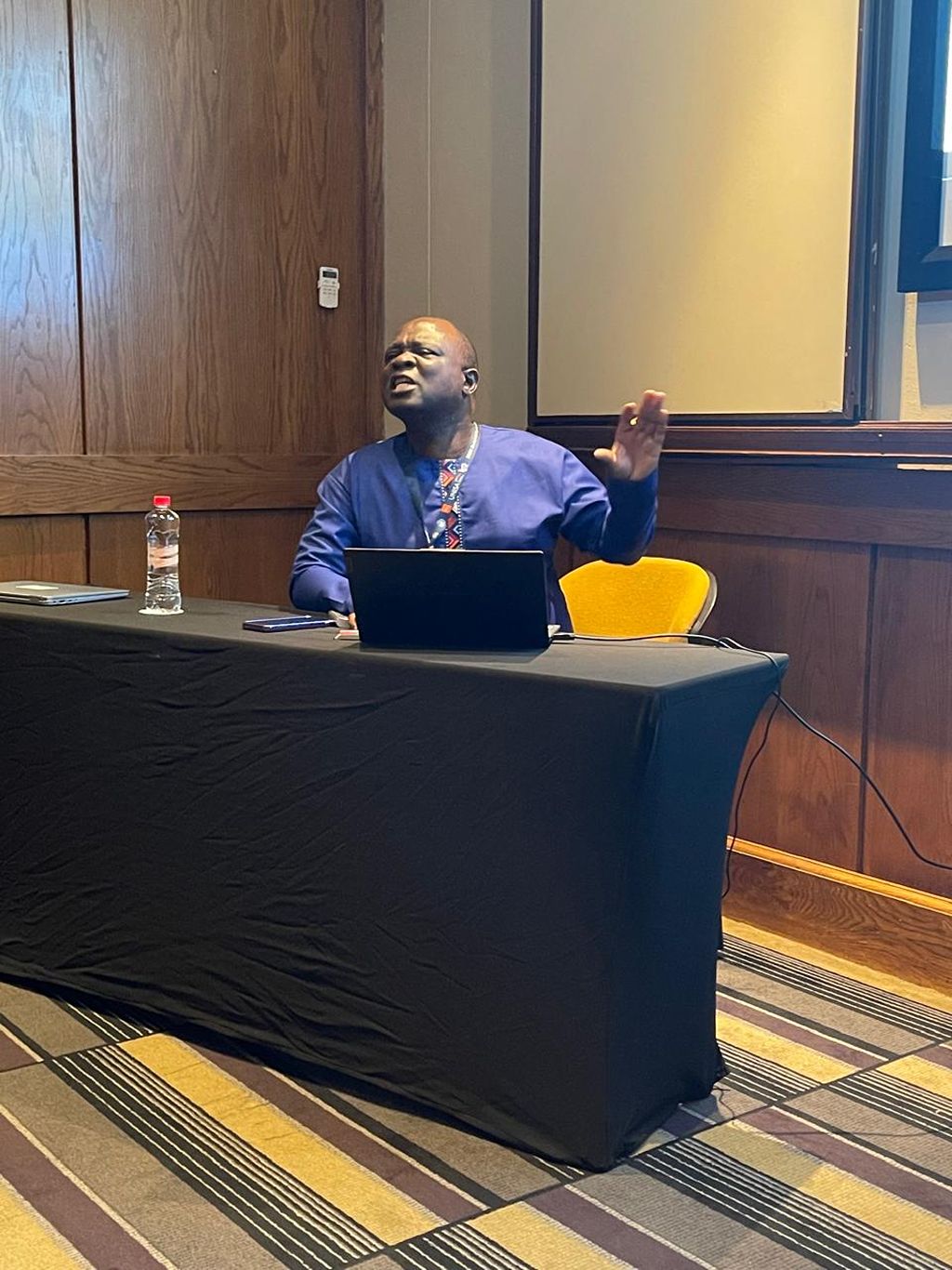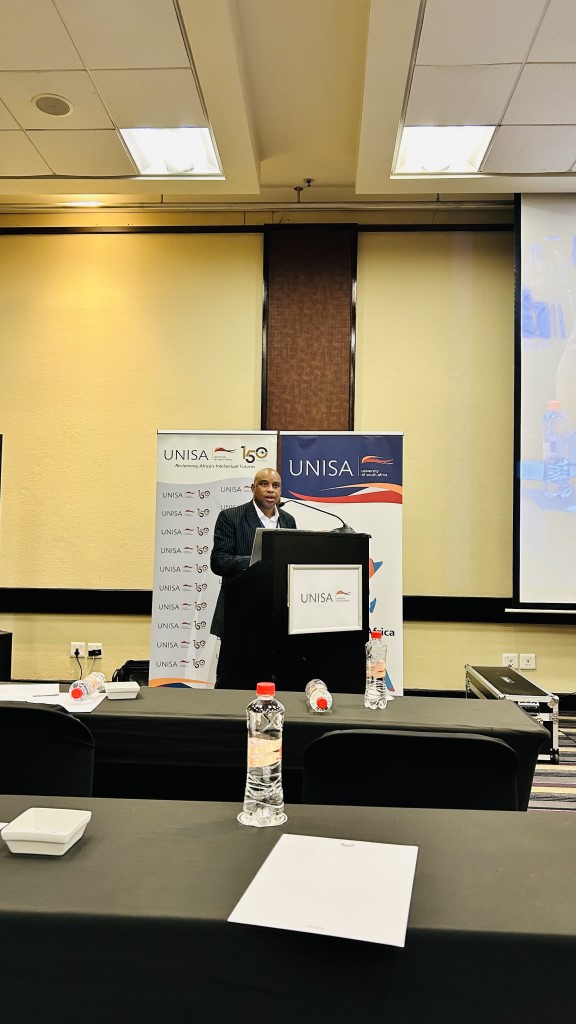
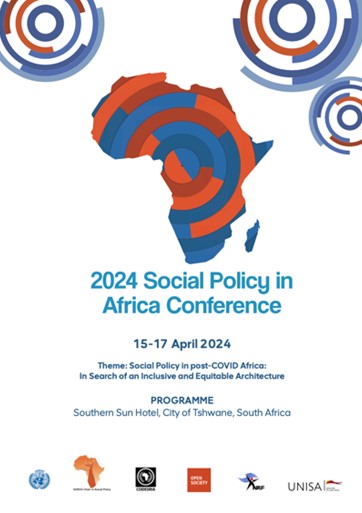
Three SAPDN members recently presented at the Social Policy in Africa (SPiA) international conference. Below are the abstracts for the papers that were presented at the conference by the SAPDN Members:
Dr Chance Chagunda
Informal Welfare Responses to the Covid-19 pandemic in Africa: Reflecting on Indigenous Knowledge Systems (IKS)
This paper argues that Indigenous Knowledge Systems (IKS) in Africa played a pivotal role in meeting the needs of marginalised and poor Africans, during the SARS-CoV-2 virus (Covid-19) pandemic. Moving from the proposition advanced by scholars such as Noyoo (2018; 2021) that states that whenever Africans are faced with an existential crisis, such as the one that was precipitated by the World Bank’s and International Monetary Fund’s (IMF’s) Structural Adjustment Programme (SAP), Africans easily revert to their indigenous social security and other systems, to cushion the adverse impacts of economic collapse and harmful socio-political conditions. Following the works of Adesina (2007; 2010; 2021) and Mkandawire (2001; 2004;) this discussion argues that people relied on IKS to counteract the negative effects of COVID-19 by harnessing and building strong bonds of solidarity in poor and marginalised communities, exemplifying a more transformative agenda and not a residual one. In this way, just as transformative social policy helps to reduce inequalities, poverty and social exclusion in societies, IKS enabled Africans to foster social cohesion and build social capital during this health crisis. This was done through various indigenous interventions, for instance, informal banking systems (chilimba – Zambia, susu – Ghana, stokvels – South Africa). I argue that these indigenous systems and others are not just part of residual social welfare, but they are transformative and that is why Africans were able to stave off the harsh effects of COVID-19.
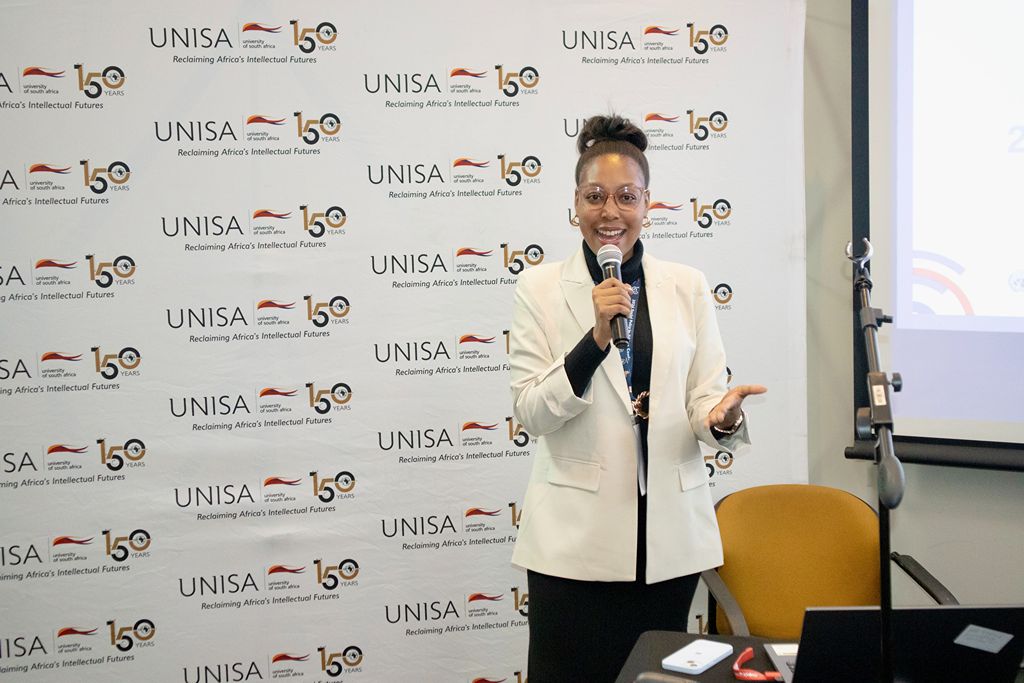
Presentation by Dr Chance Chagunda
Ms Minenhle Matela
Fostering Resilient Futures: An Exploration of the Nexus Between Social Policy, Development Planning, and Education in Post-Covid-19 South Africa
This paper seeks to examine the intricate interplay between social policy and development planning in post-Covid-19 South Africa. It investigates the impact of the pandemic on these areas, with a particular focus on vulnerabilities within the country. The study seeks to highlight the importance of development planning in adapting to changing socio-economic conditions, specifically in the educational sector. It endeavours to evaluate the current National Development Plan (NDP) and its educational objectives while advocating for adaptive measures that align with the present landscape to foster inclusivity. By connecting social policy and development planning, this paper aims to contribute to a more equitable future for South Africa after the COVID-19 pandemic. It underscores the vital role of development planning in responding to evolving socio-economic realities, especially in the educational sector, which is essential for the nation’s well-being and progress. Furthermore, by assessing the current objectives of the NDP for education and advocating for adaptive measures, this study aims to contribute to the creation of a more inclusive and resilient future for South Africa
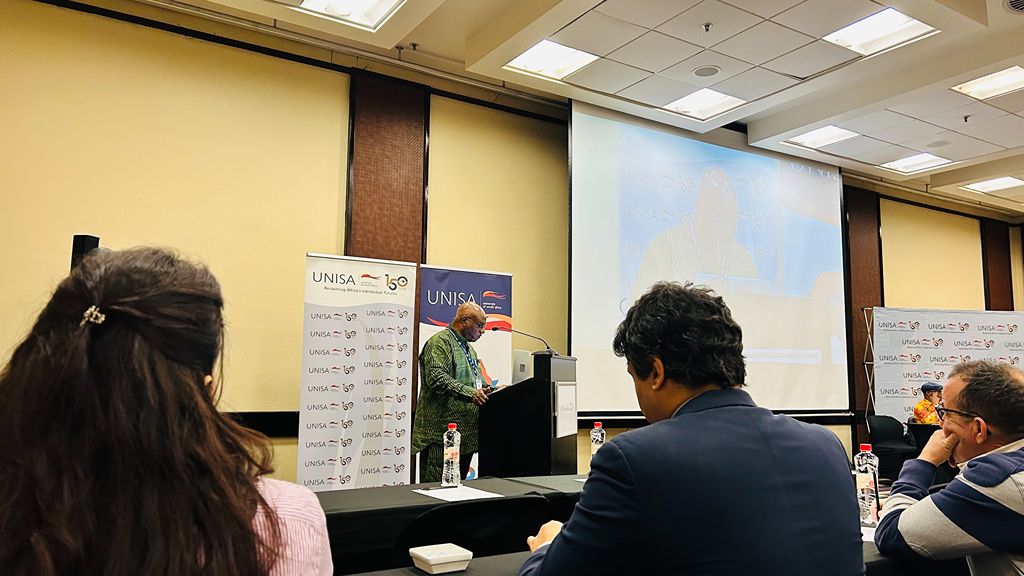
Presentation by Ms Minenhle Matela
Professor Ndangwa Noyoo
Searching for the nexus between Spatiality and Social Policy in South Africa
At the height of the Coronavirus (COVID-19) pandemic and before any vaccine was developed, the World Health Organisation (WHO) and national governments, only relied on preventative measures such as social distancing, and the sanitising and washing of hands to keep the deadly virus at bay. In South Africa, the country’s human settlements laid bare the deep inequalities that were inherited from the colonial-apartheid era as social distancing or even washing of hands became luxuries for the well-to-do. In the cramped townships and ubiquitous informal settlements, which are populated by mostly black Africans, many citizens had no choice but to continue living in such cramped spaces in close proximity. Arguably, one issue that has not been seriously interrogated in post-apartheid South Africa, is the nexus between spatiality and social policy. This paper calls for spatiality to be linked to social policy in South Africa, for the country to erase the inherited colonial-apartheid spatial injustices.
Presentation by Prof Ndangwa Noyoo